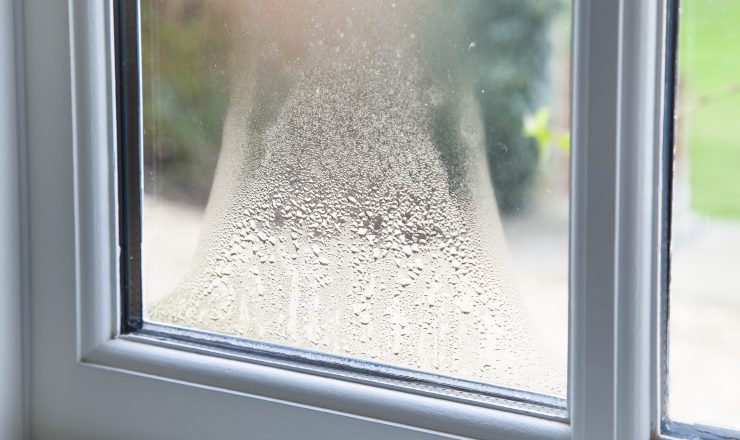
Understanding Condensation on Windows: Causes, Effects, and Solutions
Condensation on windows is a common issue that many property owners face, especially throughout chillier months. This phenomenon happens when moisture in the air enters contact with the cold surface area of the glass, leading to water beads forming on the window panes. While it may seem like a small trouble, understanding the causes, results, and solutions to condensation on windows is essential for preserving a healthy and comfy home environment.
What Causes Condensation on Windows?
Condensation occurs when warm, damp air fulfills a cold surface, causing the air to cool and the moisture to condense into water droplets. Numerous elements contribute to this procedure:
- Humidity Levels: High indoor humidity is often the main offender for condensation. Cooking, showering, and using humidifiers can considerably increase moisture levels in the air.
- Temperature Differential: The temperature level difference in between the inside and outside of a home plays a substantial role. Cold weather outside can trigger window surfaces to drop in temperature level, while indoor heating creates a warm, damp environment.
- Window Type: Older windows, particularly single-pane designs, are more vulnerable to condensation than modern-day double- or triple-pane windows, which have much better insulation homes.
- Poor Ventilation: Inadequate ventilation can trap moisture inside, increasing humidity and, as a result, the probability of condensation.
- Climate condition: External conditions such as rain, snow, and humidity also add to indoor moisture levels, impacting condensation rates on windows.
Table 1: Common Causes of Condensation on Windows
| Cause | Description |
|---|---|
| High Humidity | Increased moisture from activities like cooking or bathing |
| Temperature level Differential | Cold external temperatures vs. heated indoor air |
| Window Type | Single-pane windows are less insulated than double/triple-pane windows |
| Poor Ventilation | Stagnant air results in moisture accumulation |
| Weather Conditions | External humidity, rain, or snow boosts indoor moisture |
Results of Condensation on Windows
While condensation may seem harmless, it can cause several negative results if not addressed in a prompt manner:
1. Mold and Mildew Growth
Condensation provides an ideal environment for mold and mildew development, which can position health dangers, especially for individuals with allergic reactions or breathing conditions.
2. Damage to Window Frames
Excess moisture can lead to water damage on wooden window frames, causing warping, rotting, or peeling paint.
3. Decreased Energy Efficiency
Condensation suggests bad insulation, which can result in drafts and increased energy expenses as heating or cooling systems work more difficult to preserve indoor temperature levels.
4. Reduced Visibility
Water beads on windows block natural light and presence, reducing the total aesthetic and atmosphere of living areas.
5. Increased Cleaning Efforts
Constant condensation requires frequent cleaning of windows to remove water spots and prevent staining.
Solutions to Reduce Condensation on Windows
Luckily, there are several reliable strategies to alleviate the event of condensation on windows.
1. Control Indoor Humidity
- Use Dehumidifiers: Invest in a dehumidifier to help control moisture levels, especially in areas susceptible to high humidity.
- Ventilation: Ensure appropriate ventilation in bathroom and kitchens to lower moisture. Utilize exhaust fans during and after cooking or showering.
- Open Windows: When weather allows, open windows to allow fresh air flow.
2. Improve Insulation
- Upgrade Windows: Consider replacing single-pane windows with double or triple-pane designs to reduce temperature differentials.
- Usage Weather Stripping: Apply weather removing around doors and windows to prevent drafts and improve insulation.
3. Maintain Balanced Temperatures
- Consistent Heating: Maintain a consistent temperature level throughout the home to prevent unexpected changes that can lead to condensation.
- Avoid Overheating: Avoid setting thermostats expensive, which can increase indoor humidity relative to surface area temperature levels.
4. Monitor Indoor Activities
- Minimize Moisture-Generating Activities: Limit activities that produce excess moisture indoors or utilize methods that decrease humidity (e.g., cover on pots while cooking).
- Dry Clothes Wisely: Avoid drying clothes indoors without adequate ventilation.
5. Use Window Treatments Wisely
- Thermal Curtains or Blinds: Invest in insulated window treatments to enhance insulation and decrease condensation.
6. Consider Specialized Window Films
- Insulated Window Films: Apply insulated films to window surface areas to improve thermal performance and minimize condensation.
Table 2: Effective Solutions to Reduce Condensation
| Solution | Description |
|---|---|
| Control Indoor Humidity | Use dehumidifiers, enhance ventilation |
| Improve Insulation | Update to double/triple-pane windows, apply weather stripping |
| Keep Balanced Temperatures | Keep constant indoor temperature levels |
| Screen Indoor Activities | Limit moisture generation during everyday activities |
| Usage Window Treatments | Carry out thermal drapes or blinds |
| Consider Specialized Films | Apply insulated window movies for much better thermal efficiency |
Frequently asked questions about Condensation on Windows
Q1: Is condensation on windows an indication of a larger problem?
A1: While it may not always suggest a significant issue, regular condensation can suggest underlying issues such as poor insulation or high indoor humidity that need to be attended to.
Q2: How can I tell if the moisture on my windows is condensation?
A2: If the water is forming on the inside of the glass and not in between panes, it is most likely condensation. If Misted Window Pane Repair is between panes, you may have seal failure, which requires window replacement.
Q3: Can I avoid condensation completely?
A3: While it is difficult to get rid of condensation completely, controlling indoor humidity and improving insulation can considerably decrease its event.
Q4: How frequently should I clean up condensation from my windows?
A4: Regular cleansing is advisable. If condensation is a consistent problem, attending to the underlying causes might reduce cleaning frequency.
Q5: When should I consider changing my windows?
A5: If you regularly experience condensation or notice signs of damage to your window frames or seals, it may be time to consider window replacement for enhanced energy performance and moisture control.
Condensation on windows is a typical issue that can lead to substantial damage if left unattended. By comprehending the causes and carrying out efficient solutions, homeowners can reduce the impact of condensation, safeguard their home from possible damage, and preserve a comfortable living environment. With a proactive technique to humidity control and insulation, condensation can be effectively managed, enabling clearer views and much healthier air quality within the home.